

Tổng hợp cách phòng ngừa ung thư cổ tử cung hiệu quả nhất
More and more women are paying attention to reproductive health, especially preventing dangerous diseases. Among these, cervical cancer prevention has become an increasingly searched topic due to the rising incidence and younger onset of this malignancy. Let's explore science-backed methods to help you prevent cervical cancer and proactively protect your health starting today.
Summary:
- Cervical cancer can be effectively prevented by crucial measures such as HPV vaccination, safe sexual practices, proper personal hygiene, and maintaining a healthy lifestyle.
- HPV vaccination is the single most important method, significantly reducing the risk of disease, especially when administered before sexual debut.
- Controlling risk factors such as smoking, immune deficiency, gynecological infections, and multiple sexual partners plays a critical role in cervical cancer prevention.
- Regular screening through HPV testing and Pap smears helps detect precancerous lesions early, enabling timely intervention and preventing disease progression.
- Proactive healthcare, routine check-ups, and early detection are the decisive factors in reducing disease risk and preserving long-term reproductive health.
1. Who Should Pay Attention to Cervical Cancer Prevention?
Cervical cancer can occur across different age groups and is increasingly affecting younger women. For this reason, health experts recommend that all women proactively learn about and apply cervical cancer prevention measures. In particular, women with the following high-risk factors should prioritize early prevention and cancer screening:
- Unprotected sexual intercourse without the use of protective measures
- Multiple sexual partners, or a partner with multiple prior relationships
- Early sexual debut, especially before the age of 16–18
- Smoking or frequent exposure to secondhand smoke
- Weakened immune system due to underlying conditions or immunosuppressive medications
In these groups, the risk of HPV infection and gynecological infections is significantly higher, which in turn increases the likelihood of progression to cancer if left unmanaged. Additionally, women with a history of sexually transmitted infections or prior cervical lesions should monitor their health more closely.
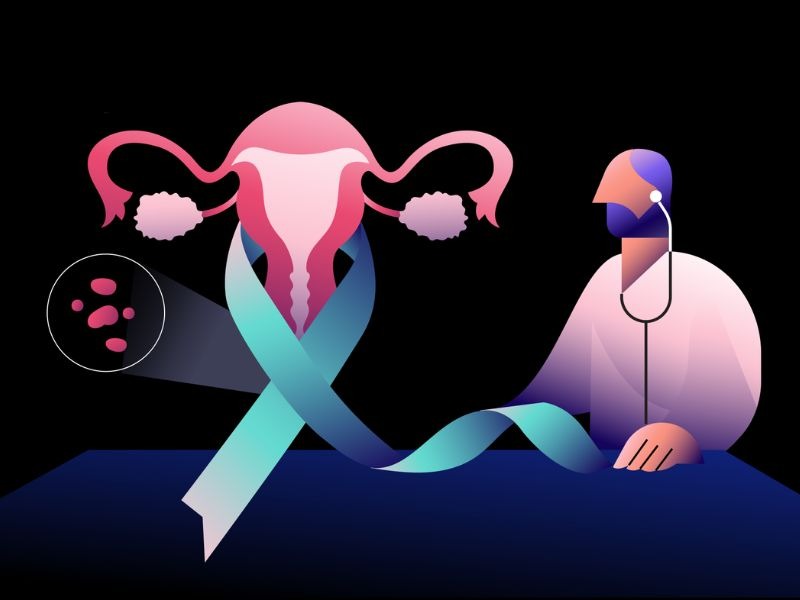
All women should proactively learn about and apply cervical cancer prevention measures.
2. Six Effective Ways to Prevent Cervical Cancer
Cervical cancer can be effectively prevented and successfully treated when detected early. Women are encouraged to apply the following cervical cancer prevention methods:
2.1. HPV Vaccination - The Most Effective Preventive Measure
HPV vaccination is considered the leading proactive method for cervical cancer prevention. Currently available vaccines protect against high-risk HPV strains, particularly HPV 16 and 18 - the strains responsible for the majority of cervical cancer cases worldwide.
According to recommendations from the U.S. Centers for Disease Control and Prevention (CDC), the ideal age for vaccination is 9 -14 years old, before sexual activity begins. At this stage, the body produces the strongest immune response, maximizing long-term protective efficacy. Additionally, individuals aged 13 to 26 years old who have not yet been vaccinated or have not completed the full series should do so as soon as possible.
2.2. Safe Sexual Practices
The HPV virus can be transmitted through skin-to-skin contact, including vaginal, anal, and oral sex, or even direct contact with infected skin. Therefore, women should adopt safe sexual practices to minimize exposure to this cancer-causing virus:
- Limit the number of sexual partners and maintain a mutually monogamous relationship.
- Use protective measures such as condoms.
2.3. Maintaining Intimate Hygiene
Beyond HPV, other pathogens such as Chlamydia trachomatis, HSV-2, and HIV can also increase cervical cancer risk through co-infection. These infections cause prolonged inflammation, damage cells, and create conditions that allow HPV to thrive.
Therefore, women should maintain proper intimate hygiene through the following practices:
- Avoid sharing underwear or personal items that come into direct contact with the genital area.
- Avoid deep douching, as it can damage the mucous membranes and disrupt the vaginal microenvironment.
- Proactively seek medical care and treat gynecological infections early.
2.4. Avoiding Smoking
Women who smoke or are frequently exposed to secondhand smoke face a higher risk of cervical cancer, as tobacco weakens the immune system and creates favorable conditions for HPV to develop. It is therefore important to quit smoking and minimize exposure to smoke-filled environments.
2.5. Strengthening the Immune System
The immune system plays a pivotal role in controlling and eliminating HPV from the body. When immunity is compromised, the virus can persist longer and increase the risk of precancerous lesion development. To boost immunity, women should maintain a healthy lifestyle, including getting adequate sleep, exercising regularly, and supplementing essential nutrients such as vitamins A and C, Omega-3 fatty acids, and selenium.
2.6. Reducing Other Risk Factors
In addition to the measures above, managing other contributing risk factors is also important in cervical cancer prevention. These include:
- Voluntary male circumcision has been shown to reduce the risk of HPV transmission.
- Maintaining a healthy body weight is essential to minimize metabolic disorders and support overall health.
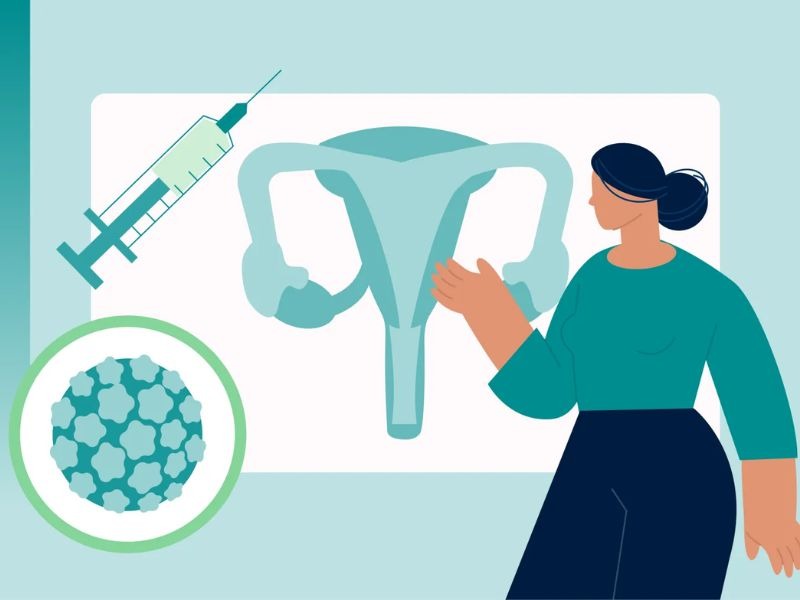
Six effective methods for cervical cancer prevention
3. Cervical Cancer Screening - Stopping Cancer Progression at an Early Stage
Regular cervical cancer screening is one of the core components of any cervical cancer prevention strategy. The goal of screening is to detect abnormal cells early so that timely treatment can be initiated, preventing progression to cancer.
Early-stage cervical cancer often presents no obvious symptoms. Many cases are only discovered once the disease has advanced, significantly reducing treatment effectiveness. This is why proactive screening according to recommended schedules is a sustainable and scientifically sound approach to protecting your health.
3.1. Main Cervical Cancer Screening Methods
Two screening methods are currently in widespread use:
- HPV Test: Detects the presence of high-risk HPV strains in the body. When high-risk HPV is identified, the doctor will consider further diagnostic steps to assess the extent of impact on cervical cells.
- Pap Smear (Pap Test): Collects cells from the cervix to check for HPV-related changes. The Pap smear can identify precancerous lesions at a very early stage, before they develop into serious disease. It can also detect certain infections or other cellular abnormalities.
If abnormalities are found through screening, the doctor may order additional procedures such as colposcopy or biopsy to accurately determine the extent of the lesion. If diagnosed at a precancerous stage, treatment options such as cone biopsy (conization), cryotherapy, or electrosurgery may be recommended to remove the precancerous tissue, significantly reducing the risk of future cervical cancer development.
3.2. When Should You Get Screened for Cervical Cancer?
According to the American Cancer Society's guidelines:
- Women aged 21 and older should have a Pap smear every 3 years.
- Women aged 25 and older should have an HPV test every 5 years.
- Women over 65 may stop screening if they have had adequate prior screening with normal results. However, if recent test results were abnormal or screening has not been done consistently, screening may need to continue beyond age 65.
Those who may need more frequent screening include:
- People living with HIV or with compromised immune systems
- Those with a recent abnormal Pap smear or biopsy result
- Those with a personal history of cervical cancer or precancerous findings
- Those who have had a hysterectomy related to cervical cancer or precancerous changes
Additionally, if any unusual symptoms appear - such as bleeding between periods, pain during intercourse, or persistent changes in vaginal discharge - seek medical attention promptly for evaluation and guidance.
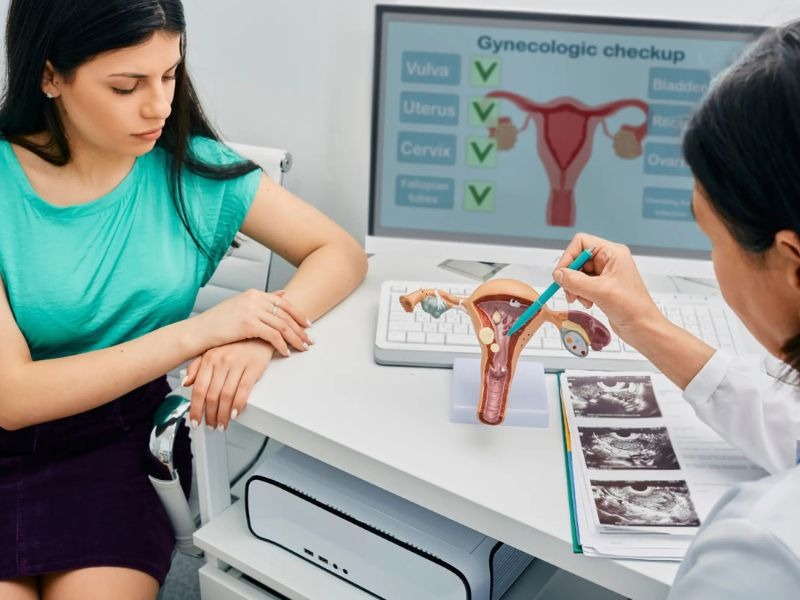
Cervical cancer screening — stopping cancer progression from an early stage.
4. Frequently Asked Questions (FAQ)
4.1. What should I drink to help prevent cervical cancer?
Diet plays an important supporting role in cervical cancer prevention, particularly by strengthening the immune system and the body's ability to fight HPV. While no beverage can replace medical interventions such as vaccination or screening, choosing the right foods and drinks can help protect the body from within.
Prioritize nutrient-rich drinks and foods such as:
- Fruit juices high in Vitamin C - such as orange, grapefruit, and kiwi - to boost immunity.
- Vitamin A-rich foods - to help protect mucous membranes and epithelial cells.
- Omega-3 sources (from fish and seeds) - to reduce inflammation and support immune function.
- Antioxidant-rich foods - to neutralize free radicals and limit cellular damage.
4.2. How much does the cervical cancer vaccine cost?
The cost of HPV vaccination in Vietnam varies depending on the type of vaccine and the vaccination facility. The two most common vaccines currently available are Gardasil 4 and Gardasil 9, with Gardasil 9 offering broader protection and therefore typically priced higher.
The average cost per dose generally ranges from 1.7 to 3 million VND. A complete vaccination course consists of 2 or 3 doses, bringing the total estimated cost to approximately 5 to 9 million VND.
While the upfront cost may give some people pause, it is a worthwhile long-term investment in healthcare, helping reduce the risk of disease and limiting the far greater costs of treatment down the line.
Sources:
1. American Cancer Society, 2025. Can Cervical Cancer Be Prevented? https://www.cancer.org/cancer/types/cervical-cancer/causes-risks-prevention/prevention.html
2. WHO, 2025. Cervical Cancer. https://www.who.int/news-room/fact-sheets/detail/cervical-cancer


